


 07:44 2026-10-27
The ultra‑luxury hypercar market is fracturing as regions adopt distinct philosophies. In the US, Tesla blurs cars and aerospace with a tech‑first push. China treats hypercars as geopolitical showcases, rolling out overpowered EVs with advanced software. Japan favors cyberpunk styling and next‑gen solid‑state batteries, while Europe digs in to protect its automotive heritage
 379
 10
Flying Tesla Roadster
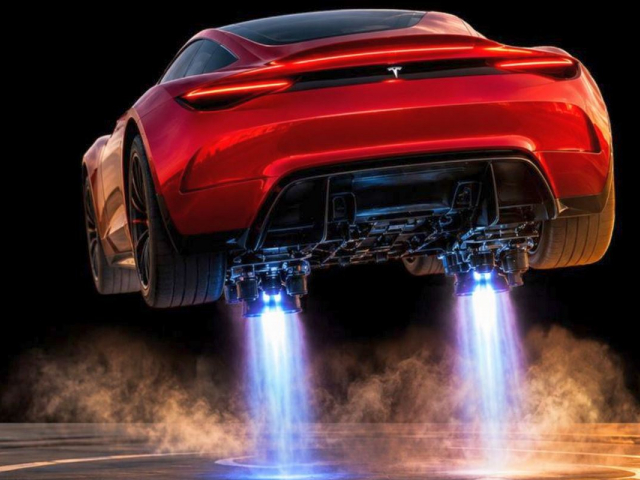
Elon Musk has moved the arms race off the asphalt and into the air. The long‑awaited Tesla Roadster now offers an optional SpaceX pack that includes cold‑gas thrusters hidden behind the license plate. The system not only dramatically improves acceleration, braking, and cornering but can literally hold the car briefly above the ground. Tesla’s move embodies a distinctly American logic: when tire physics limit further gains in acceleration, turn to aerospace technologies.
Ferrari F80: Formula‑1 in road car form
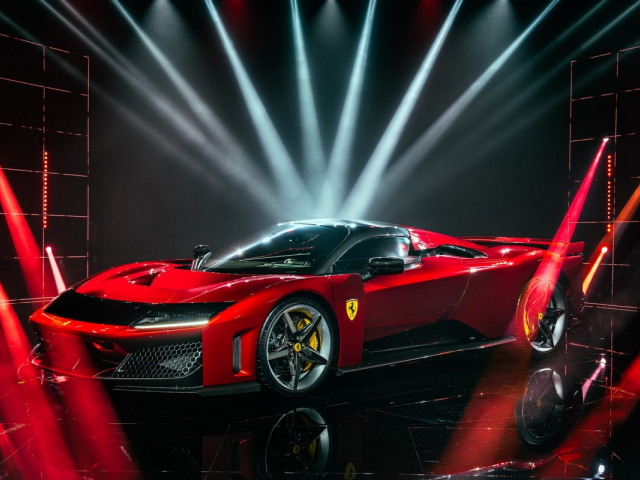
Maranello’s reply to the new challenge is radical. In the new flagship F80, Ferrari has dropped the traditional V12 in favor of a hybrid V6 with twin turbochargers, technology directly borrowed from its Formula‑1 program. The car generates more than 1,000 kg of downforce thanks to extreme aerodynamics, an active underfloor, and a huge S‑shaped air duct in the nose. The F80 illustrates Europe’s shift toward ultimate track weapons, where design is entirely subordinated to wind‑tunnel logic.
Porsche Mission S: challenge to Ferrari’s hegemony
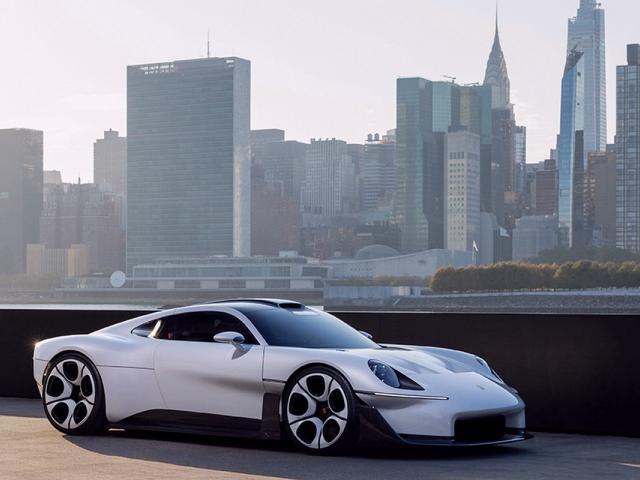
In response, the German group unveiled a luxury supercar concept intended to restore the brand’s high margins. The Mission S design is uncompromising: a very low body, wide muscular haunches, classic round headlights, and an aggressive roof‑mounted intake. The cabin is deliberately conservative: five classic round dials with a live analogue tachometer at the centre. In an era of total digitalization, the Mission S mixes hybrid powertrains with traditional petrol engines.
Bugatti Tourbillon: triumph of mechanics
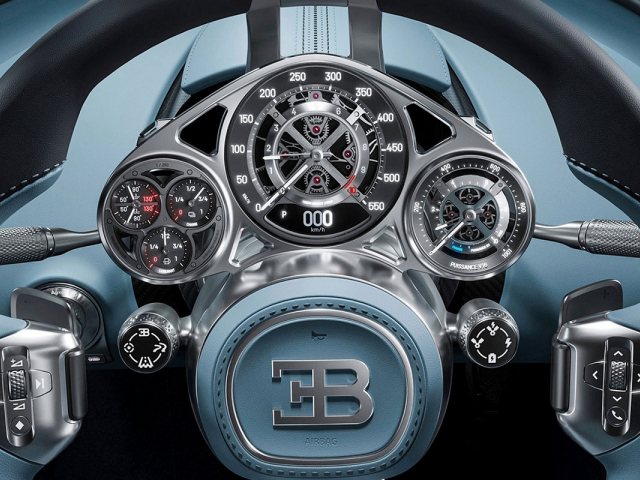
Europe’s answer to the silent electric wave is the Bugatti Tourbillon. The French marque, now controlled by Rimac, pairs a stunning V16 with a hybrid system. But the real masterpiece is the interior. The Tourbillon’s instrument cluster is crafted by Swiss watchmakers from titanium, sapphire glass, and rubies. An exposed mechanical chronograph with a complex gear train remains fixed at the centre of the rotating steering wheel. For Europe’s take on quiet luxury, true opulence is measured not by screen size but by the intricacy of micromechanics.
BYD Yangwang U9: defying laws of physics
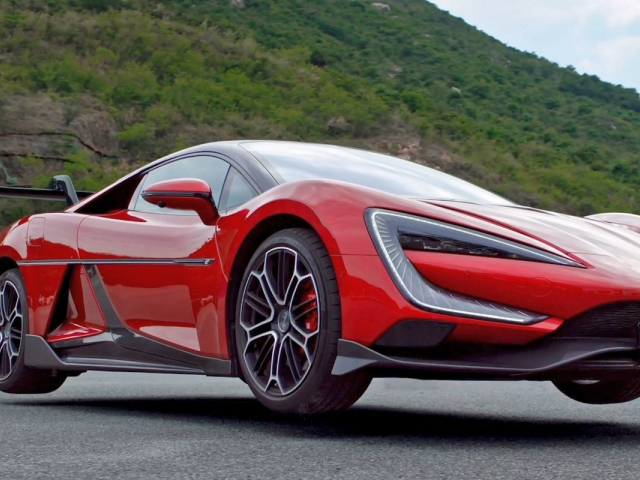
Chinese carmaker BYD has stormed the closed hypercar club with the Yangwang U9. With 1,300 horsepower and four independent electric motors, the U9 can perform a “tank turn,” pivoting in place, while its DiSus‑X active suspension lets the heavy vehicle literally hop on all four wheels or keep going even after losing a wheel. The U9 is a showcase of Chinese engineering muscle — essentially a heavy compute cluster that controls every millimetre of motion.
Nissan Hyper Force: Japan’s cyberpunk statement
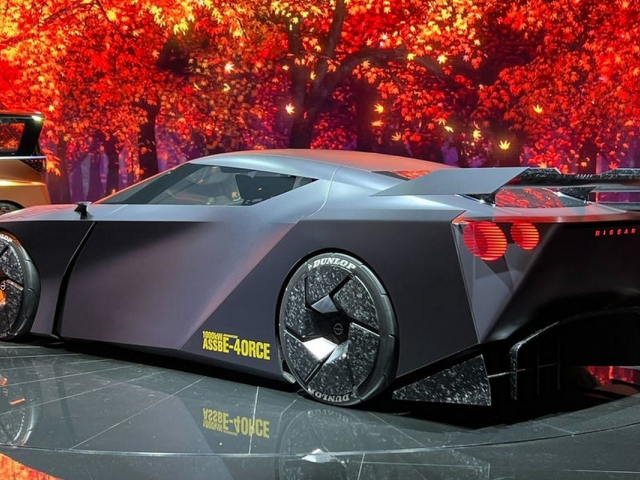
Japan answered with the Nissan Hyper Force concept, widely seen by experts as the blueprint for the next‑generation GT‑R. Engineers are betting on breakthrough solid‑state batteries that promise extreme output without overheating risk. The design looks ripped from an anime or cyberpunk videogame: angular surfaces, multi‑layer pixel optics, and an interface co‑developed with the creators of Gran Turismo. Japan favors not just speed but the aesthetic of a high‑tech future.
McLaren W1: obsession with weight loss
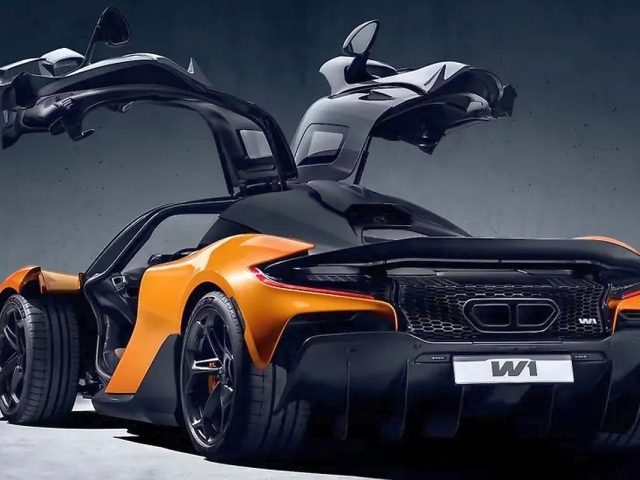
Britain’s McLaren unveiled a direct spiritual successor to the F1 and P1 with the W1 hypercar. While rivals pile on power with heavy batteries, McLaren is ruthlessly shaving grams. The W1 pairs a hybrid V8 with an ultra‑stiff new carbon monocoque to deliver an unprecedented power‑to‑weight ratio. Active aero body panels morph on the fly to press the car to the tarmac at extreme speeds without relying on a massive wing, preserving the clean lines McLaren is known for.
Lamborghini Revuelto: faster and louder
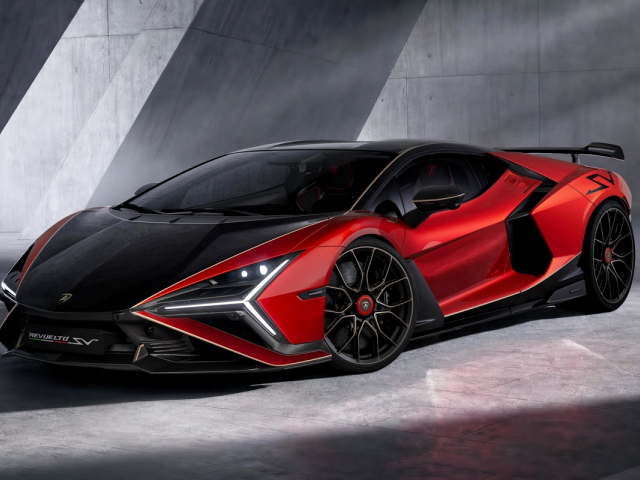
Lamborghini faced a difficult choice: how to preserve the brand’s aggressive DNA under strict EU environmental rules. The answer was the Revuelto, the company’s first series‑production plug‑in hybrid. Engineers preserved a naturally aspirated 6.5‑litre V12 that roars as ferociously as it did two decades ago and complemented it with three electric motors. The hybrid system is not about fuel economy so much as instantaneous thrust and the ability to run on electric power alone to legally enter zero‑emission zones in European city centres.
Rimac Nevera R: pushing tire grip to limit
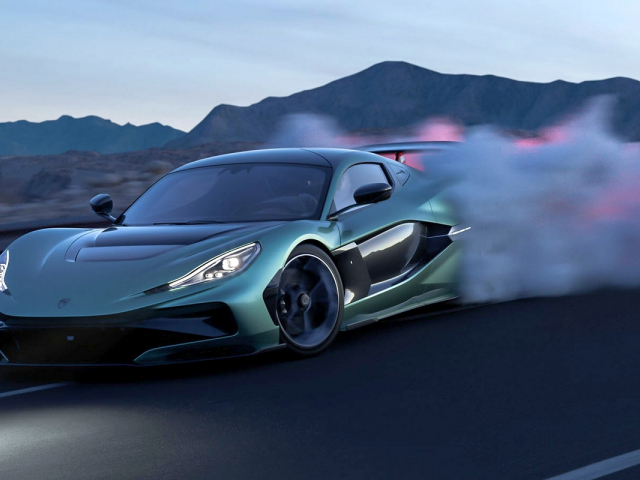
Croatia’s Rimac, now a chief supplier of EV technology to Europe’s premium marques, has unveiled an extreme version of its hypercar, the Nevera R. With 2,107 horsepower, the electric coupe has pushed modern tire adhesion to its physical limits, hitting 0–62 mph in about 1.8 seconds. Rimac’s major achievement is ultra‑precise torque‑vectoring algorithms that calculate power delivery to each wheel 100 times a second, preventing the car from breaking into an uncontrolled slide at such monstrous outputs.
E‑Fuels: priced like fine wine
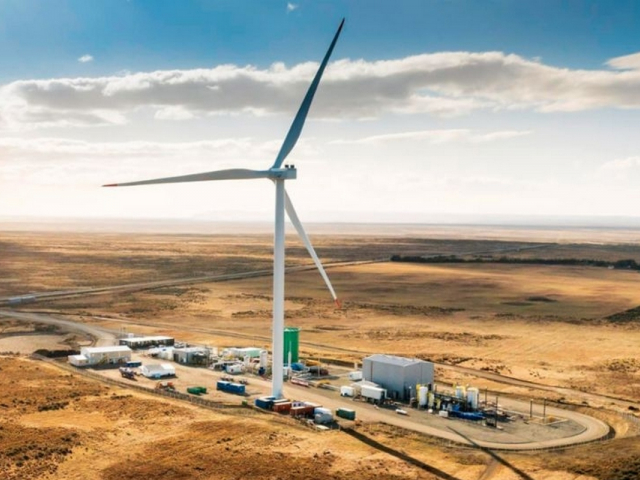
The final note in the supercar race is European brands’ investment in synthetic e‑fuels. Using wind farms in Chile, carbon‑neutral gasoline is produced from hydrogen and CO2 captured from the air. The EU has allowed internal‑combustion cars to be sold after 2035 provided they run on synthetic fuels. Hypercar makers have reassured ultra‑wealthy clients that manual gearboxes and the cylinder‑roar will not disappear — they will just be powered by fuel that costs as much as collectible wine.


-
Grand Choice
Contest by
InstaForexInstaForex always strives to help you
fulfill your biggest dreams.JOIN CONTEST -
Chancy DepositDeposit your account with $3,000 and get $1000 more!
In October we raffle $1000 within the Chancy Deposit campaign!
Get a chance to win by depositing $3,000 to a trading account. Having fulfilled this condition, you become a campaign participant.JOIN CONTEST -
Trade Wise, Win DeviceTop up your account with at least $500, sign up for the contest, and get a chance to win mobile devices.JOIN CONTEST


